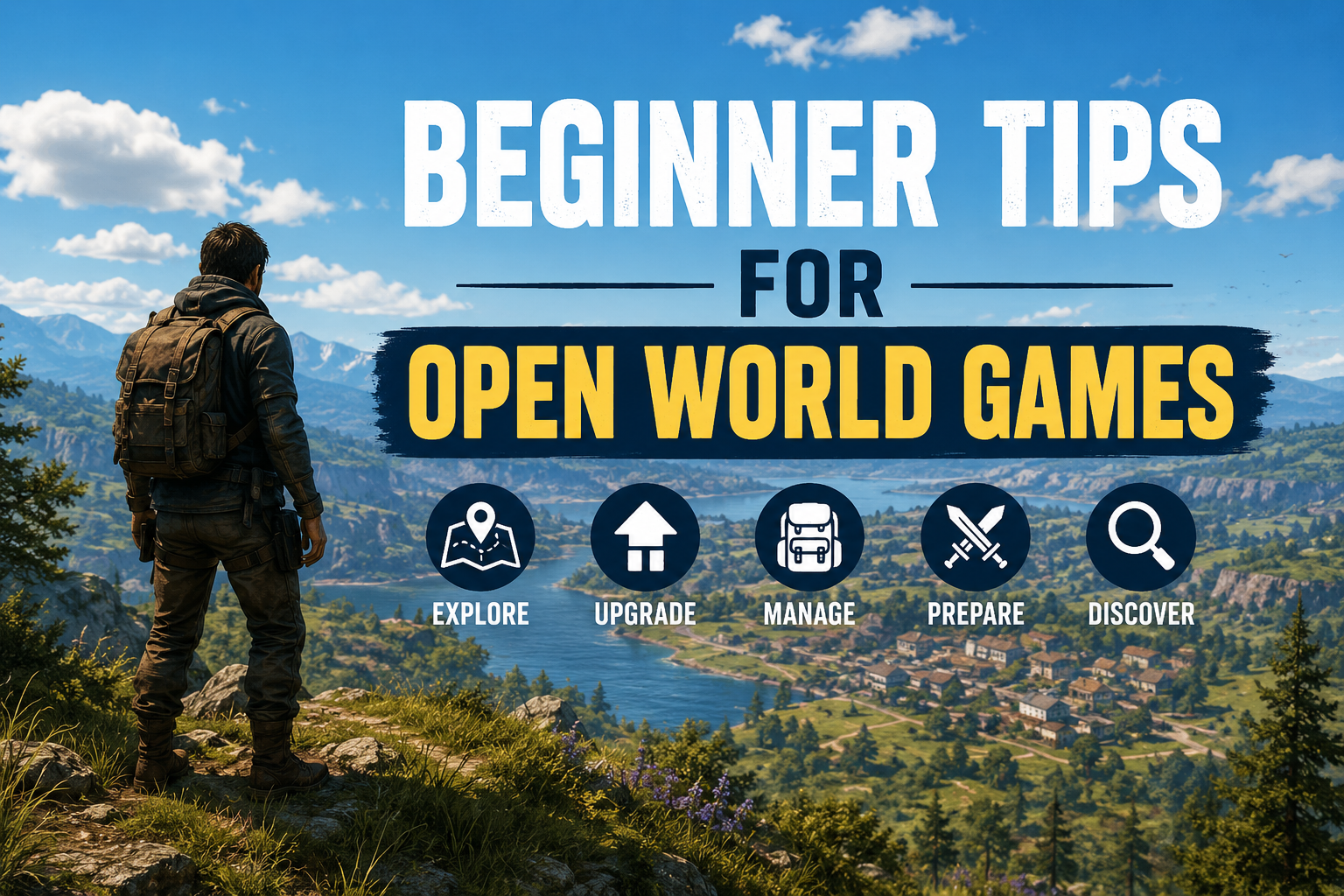
Open world games are some of the most exciting games I have ever played because they give me the freedom to explore, make choices, and enjoy the game at my own pace. Unlike games that force you to follow one straight path, open world games usually give you a large map filled with missions, characters, hidden areas, collectibles, enemies, and different activities. At first, this freedom can feel amazing, but it can also be a little confusing for beginners.
When I started playing open world games, I often made simple mistakes. I tried to complete everything at once, ignored useful side activities, and sometimes spent too much time exploring areas that were too difficult for my character. With experience, I learned that enjoying an open world game is more about understanding the world and managing your time than simply rushing through the main story.
In this article, I want to share some beginner tips that can make open world games easier and more enjoyable.
Start With the Main Story
My first advice for beginners is to start with the main story. Open world games often contain a huge amount of content, and it is easy to get distracted by side missions and random activities.
The main story usually introduces important characters, locations, abilities, weapons, and gameplay systems. By following the early missions, you can learn how the game works without feeling overwhelmed.
I do not recommend ignoring side content completely. Instead, I prefer to use the main story as a guide. After completing a few important missions, I explore the nearby areas and complete some side activities before continuing.
This approach gives me a better understanding of the game while also keeping the story moving forward.
Do Not Rush Through the Map
One of the biggest mistakes beginners make is trying to explore the entire map immediately. When you first see a huge open world, you may feel like you need to visit every location.
In my experience, this can make the game feel like a checklist instead of an adventure.
Take your time and explore naturally. Visit places that look interesting. Follow roads, discover small towns, investigate unusual buildings, and look for locations that catch your attention.
You do not need to discover everything during your first few hours. Many locations become more interesting as you progress through the story and unlock new abilities.
Learn How the Map Works
The map is one of the most useful tools in an open world game. Beginners should spend some time understanding its symbols, markers, roads, fast travel points, mission locations, and unexplored areas.
When I start a new game, I usually open the map and look at the different icons. This helps me understand what activities are available.
Some games use different symbols for shops, missions, collectibles, enemies, safe areas, and important locations. Learning these symbols can save a lot of time.
I also recommend using map markers whenever possible. If you notice an interesting location but do not want to visit it immediately, mark it on the map. This prevents you from forgetting about it later.
Upgrade Your Character Early
Character upgrades can make a huge difference in open world games. Whether the game uses skill points, equipment upgrades, abilities, weapons, or statistics, you should learn how the upgrade system works early.
I usually focus on upgrades that match my playing style instead of trying to unlock everything.
For example, if I enjoy direct combat, I may focus on health, defense, or weapon abilities. If I prefer exploring and avoiding enemies, movement, stealth, or survival abilities may be more useful.
There is no single perfect upgrade path for every player. The important thing is to understand what each upgrade does and choose abilities that actually help you.
Complete Some Side Missions
Side missions are often worth doing, especially when you are a beginner. They can provide experience, money, equipment, abilities, and useful information about the game world.
More importantly, side missions can sometimes introduce interesting characters and stories that you would otherwise miss.
I personally enjoy mixing side missions with the main story. If I complete only the main missions, the game can sometimes feel too fast. Side content gives me a reason to explore different parts of the map.
However, you do not need to complete every side mission. Choose the ones that look interesting or provide useful rewards.
Manage Your Inventory
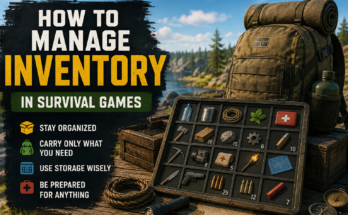
Inventory management may not sound exciting, but it is extremely important in many open world games. You may collect weapons, armor, food, materials, crafting items, and other objects while exploring.
If you collect everything without checking your inventory, it can quickly become confusing.
I recommend checking your inventory regularly. Remove items you no longer need, equip better equipment, and understand which materials are valuable.
If the game has a weight limit, pay even more attention to what you carry. There is nothing more annoying than finding something useful but having no space for it.
Save Your Game Regularly
Saving your progress is a simple habit that can prevent a lot of frustration.
Some open world games have automatic saving, but I still recommend making manual saves when the option is available. I especially like saving before difficult missions, important decisions, or dangerous areas.
If something goes wrong, you can return to your previous save instead of losing a large amount of progress.
Even when a game has reliable autosave, it is useful to understand how the system works.
Learn the Combat System
Combat can be difficult for beginners if they simply attack enemies without understanding the available mechanics.
Take some time to learn blocking, dodging, aiming, movement, special abilities, and enemy weaknesses.
I recommend practicing against easier enemies before entering difficult areas. Once you understand the basic combat system, stronger enemies become much easier to handle.
Also remember that not every fight needs to be completed immediately. If an enemy is far stronger than your character, leaving the area and returning later can be a smart decision.
Pay Attention to Enemy Levels
Many modern open world games use level systems for characters and enemies. If you enter an area where enemies are significantly stronger than you, you may struggle even if you understand the combat mechanics.
I learned this lesson several times while playing different games.
Instead of repeatedly fighting an enemy that is too powerful, I usually leave the area, complete other activities, upgrade my character, and return later.
Checking enemy levels before starting a difficult activity can save time and resources.
Explore Without Being Afraid to Get Lost
Getting lost is not always a bad thing in an open world game. In fact, some of my best gaming experiences have happened when I was not following a mission marker.
If you see something unusual in the distance, go and investigate it. You may discover a hidden location, a small story, useful equipment, or an unexpected event.
Open world games are designed around exploration. You do not always need a specific objective.
Sometimes the best way to enjoy the game is simply to choose a direction and see what happens.
Use Fast Travel When It Makes Sense
Fast travel is extremely useful, especially when the map becomes large. It can save time when you need to travel between distant locations.
However, I would not recommend using fast travel for every journey.
If you always fast travel, you may miss random events, hidden locations, interesting conversations, and other details. When I have time, I prefer traveling normally because it allows me to experience more of the game world.
I mainly use fast travel when I need to return to a location I have already visited or when I am short on time.
Learn the Economy
Many open world games include shops, currencies, crafting systems, and different ways to earn money.
Beginners should learn what is actually worth buying.
Do not spend all your money on the first interesting item you see. Sometimes saving your resources for better equipment or important upgrades is a much better choice.
I also recommend learning which activities provide money and which items can be sold safely.
Understanding the game economy can make progression much easier.
Do Not Try to Complete Everything
Open world games can contain hundreds of activities. Trying to complete every single task can eventually become exhausting.
I think it is better to focus on the content you genuinely enjoy.
If you like exploration, explore. If you enjoy combat, focus on combat activities. If you enjoy stories, complete missions and character quests.
You are playing the game for entertainment, so there is no reason to turn it into a stressful job.
Adjust the Difficulty if Needed
Some players think lowering the difficulty means they are not good at gaming. I do not agree with that.
The purpose of difficulty settings is to allow different players to enjoy the same game in different ways.
If you are struggling too much, changing the difficulty can help you learn the mechanics without becoming frustrated. If the game feels too easy, you can increase the difficulty later.
The best difficulty is the one that gives you an enjoyable experience.
Take Breaks During Long Sessions
Open world games can be very large, and it is easy to spend hours playing without realizing how much time has passed.
I believe taking regular breaks makes gaming more enjoyable. When I play for too long, I sometimes become tired and stop paying attention to the story or environment.
A short break can help you return with a fresh mind and enjoy the game again.
Final Thoughts
Open world games are all about freedom, exploration, and personal choices. As a beginner, you do not need to understand everything immediately. Take your time, learn the map, upgrade your character, complete some side missions, and explore places that interest you.
The biggest lesson I have learned is that there is no single correct way to play an open world game. Some players love completing every activity, while others prefer following the main story. Some enjoy exploring for hours, while others focus on combat and progression.
My advice is to play at your own pace and avoid worrying about completing everything. Explore when you feel like exploring, follow the story when it interests you, and take advantage of the freedom the game gives you.
Once you stop treating the map like a list of tasks and start treating it like a world to discover, open world games become much more enjoyable. That is what makes this genre special for me, and it is also why I think beginners should focus less on playing perfectly and more on enjoying the adventure.